Connected assets are no longer a futuristic technology fantasy. So called ‘internet of things’ devices, paired with intelligent algorithms, are delivering tangible gains in efficiency and cost savings for businesses willing to embrace change
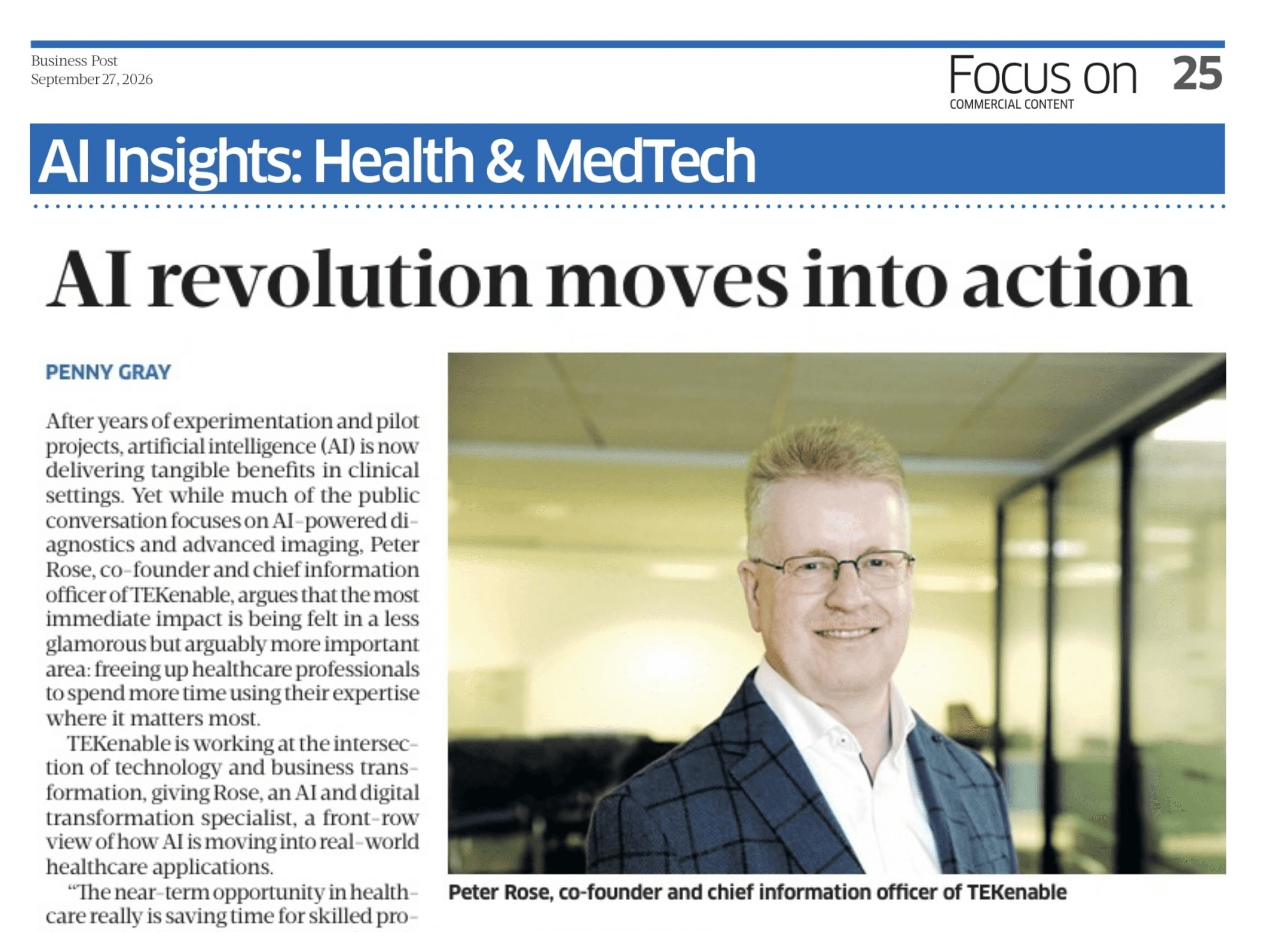
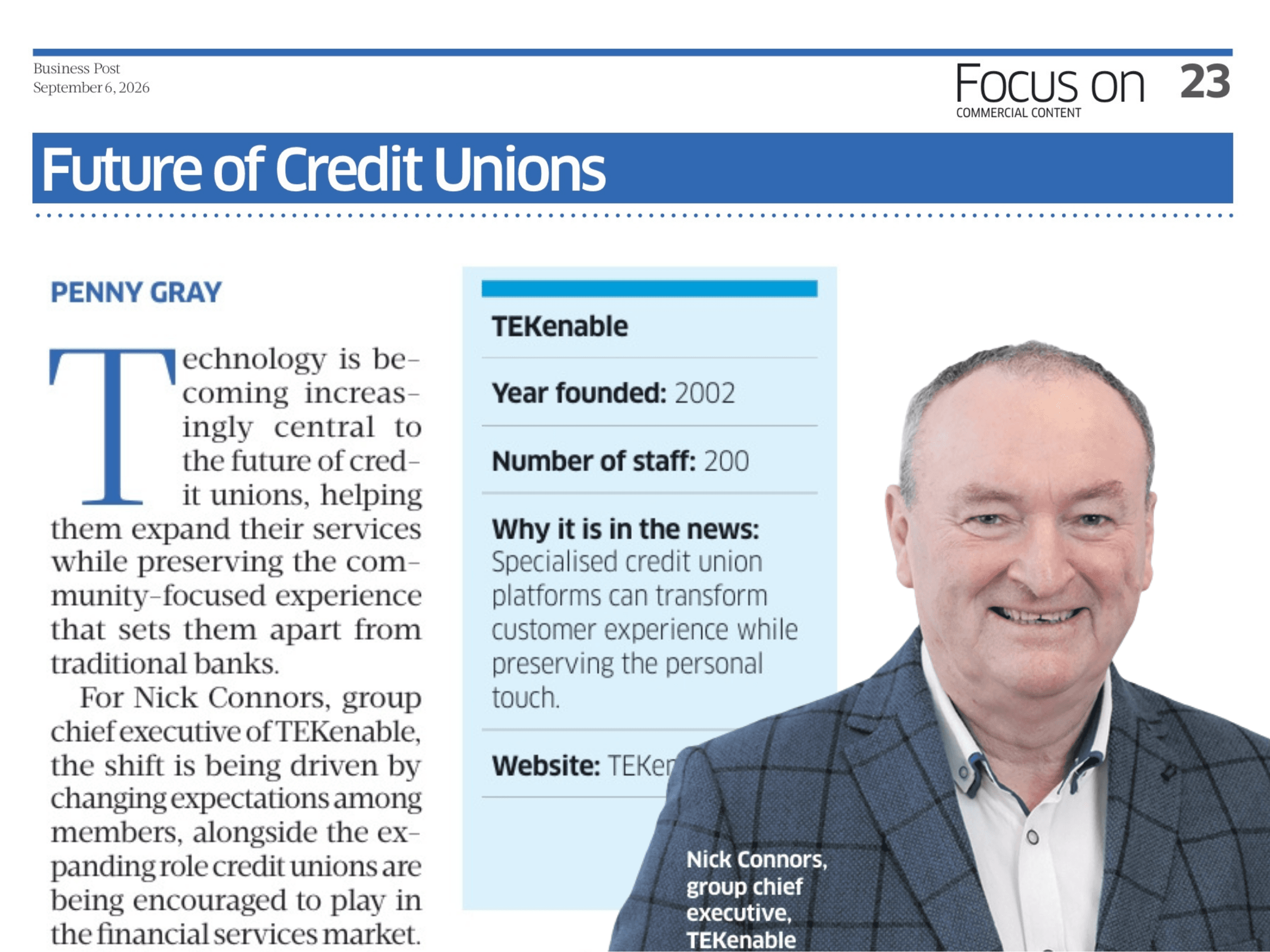
Peter Rose, Group Chief Technical Director, TEKenable
Sometimes it seems like everything is connected to the internet: from doorbells to fridges, more and more devices in our home want to phone home. In some cases the benefits are clear, while in others the utility is marginal at best.
However, the internet of things (IoT) isn’t really about gadgets, and in the commercial and industrial space it represents both a continuation of the implementation of automation and a significant leap forward.
Industrial IoT applications are now well beyond pilot projects: smart sensors, data analytics, and interconnected machinery are providing actionable insights, optimising operations, and, as a result, bolstering the bottom lines of forward-thinking enterprises.
However, nothing stands still, and Peter Rose, group chief technical director of TEKenable, said that IoT devices amounted to much more than consumer electronics or factory equipment.
Indeed, TEKenable is working on a number of projects that highlight the innovative ways IoT is being applied to solve complex technology problems.
‘The first one is in healthcare, where we’re working with a company that develops a product to improve the quality of life for nursing home residents,” he said.
The device sits behind the bed of a resident and if they have been incontinent, it will pick up on this and send a message to the cloud-based server, saying they need attention.
“That message also makes its way to a mobile app used by the staff, so the resident gets the attention quickly. That’s up and running, it’s in trial now,” Rose said.
However, there is more to the product than sensors and apps. Given the computational power available today the system also has predictive abilities, meaning it can help to avoid the patient experiencing incontinence.
“AI analytics are performed on the data to predict an event before it happens, so we can improve the quality of life for the resident,” he said.
This is a good example of information technology today moving away from rigid procedure-following, resulting in significant improvements in how devices respond to their users and surroundings.
“AI models are learning how to optimise the machinery and process the orders as efficiently as possible”
“We don’t always know [when we start] what the data points are that you need to capture, but, in this case, it is supplemented with feedback from the nurses’ data, captured by the mobile app. That’s used, in this project, to tune the device and decide what is a problem and what only seems like a problem,” he said.
Another current TEKenable project, which will be announced formally soon, is deploying IoT technology in a food component production company.
Rose said that the company makes ingredients for foodstuff with Microsoft Business Central as its core application, but its factory is IoT and SCADA [supervisory control and data acquisition] enabled.
“What we’re doing is managing the production schedules and optimising them on the ingredient mix going in, orders coming in, and so on. The raw materials can come in at different times and the processing – all of this being done from a finance package,” he said.
This gives the company the ability to manage complexity. For example, if a large amount of wet material comes in, the software will know how long it takes to dry it. As a result, it can inform the decisions downstream, stopping the factory from being idle.
“Normally this is done from the manufacturing system, but in this case the optimisation is done by AI models – and the AI models are learning how to optimise the machinery and process the orders as efficiently as possible,” he said.
For Rose, the meeting of real world events and conditions with our ability to perform calculations is key: real value emerges when the vast amounts of data generated by connected devices are intelligently analysed.
“Once you have the data you have the ability to get really useful insights”.
The above text was reproduced from the interview published in BusinessPost on April 25th, 2025.